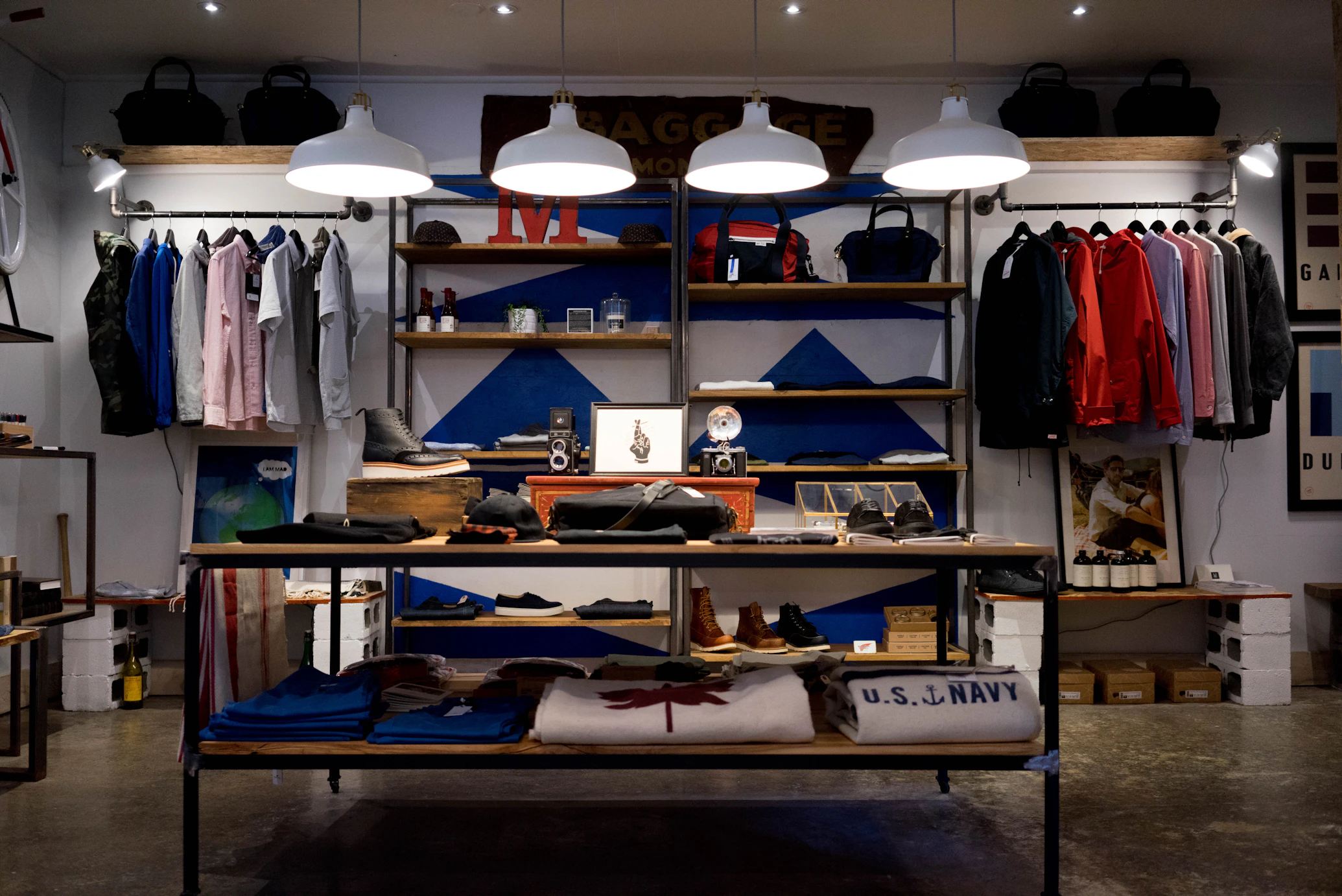
NEMR is a high-end, premium fashion marketplace designed for the modern editorial aesthetic. Moving away from traditional "cluttered" e-commerce, NEMR focuses on visual storytelling, minimalism, and a high-performance user experience.
This project serves as a bridge between high-quality fashion brands and sophisticated consumers who value design and exclusivity.
The project identifies with a Premium Brutalist design language:
- Monochrome Palette: Dominantly Black, White, and Grays to allow product photography to shine.
- Typography: Bold, modern sans-serif (Outfit) with high weight Contrast.
- Split-Screen Layouts: Using an immersive hero section to divide Men’s and Women’s editorial paths.
- Marketplace Grid: Strict 3:4 aspect ratios for product imagery, ensuring a clean and consistent storefront regardless of vendor input.
- Zero Distractions: Removal of unnecessary borders and commercial "clutter" in favor of whitespace and clean lines.
The project has been migrated from a legacy static structure to a modern Enterprise-Grade stack:
- Framework: Next.js 15 (App Router)
- Language: TypeScript for type safety and robust development.
- Styling: Custom Vanilla CSS (for maximum flexibility) + Bootstrap for base utility icons.
- Architecture: Modular Component-Based Architecture
src/components/layout: Global persistent elements (Fixed Navbar, Modern Footer).src/components/ui: Highly reusable atomic components (Product Cards, Buttons).src/components/home: Page-specific sections (Immersive Hero, Ticker Tape, Bento Grids).
- Next.js Core Migration: Successfully moved from standard HTML/CSS to React-based architecture.
- Global Layout System: Implemented DRY (Don't Repeat Yourself) architecture with
RootLayout. - Responsive Hero: 50/50 Split-pane immersive hero section for category entry.
- Product Grid System: Automated 3:4 aspect ratio enforcement and hover micro-animations.
- Global Styling: Design tokens defined in
globals.css(Colors, Spacing, Typography).
- Dynamic Catalog (Shop Page): Implementing real-time filtering (Category, Price, Size) and a "Marketplace" feel where users can explore multiple vendors.
- Auth Flow (The Modern Way): Building the split-screen login/signup experience (already conceptualized in standard migration).
- Cart Drawer: A slide-out "Off-canvas" shopping cart to maintain user flow without page redirects.
- Backend Integration: Connecting the Next.js frontend to the existing Node.js/Express backend API.
When working on NEMR, prioritize Aesthetics and Flow. If you are an AI agent helping another user:
- Never compromise on the Grid: Always ensure images fit the 3:4 portrait standard.
- Keep it Minimal: If a feature adds clutter, rethink the UI.
- Modular First: Never hardcode layout sections in pages; extract them as components in
src/components/.
The backend is a Node.js/Express server using Sequelize (SQLite for local development).
# In the root directory
npm install
node seed.js    # Only first time: Seeds the DB with initial products
node server.js # Starts API on Port 5002cd frontend
npm install
npm run dev # Starts Next.js on Port 3000- Frontend: http://localhost:3000
- Backend API: http://localhost:5002 (Note: Port 5002 is used to avoid conflicts with macOS AirPlay on port 5000/5001)