Port of Webmachine-Ruby (https://github.com/webmachine/webmachine-ruby) to Rust.

webmachine-rust is a port of the Ruby version of webmachine. It implements a finite state machine for the HTTP protocol that provides semantic HTTP handling (based on the diagram from the webmachine project). It is basically a HTTP toolkit for building HTTP-friendly applications using the Hyper rust crate.
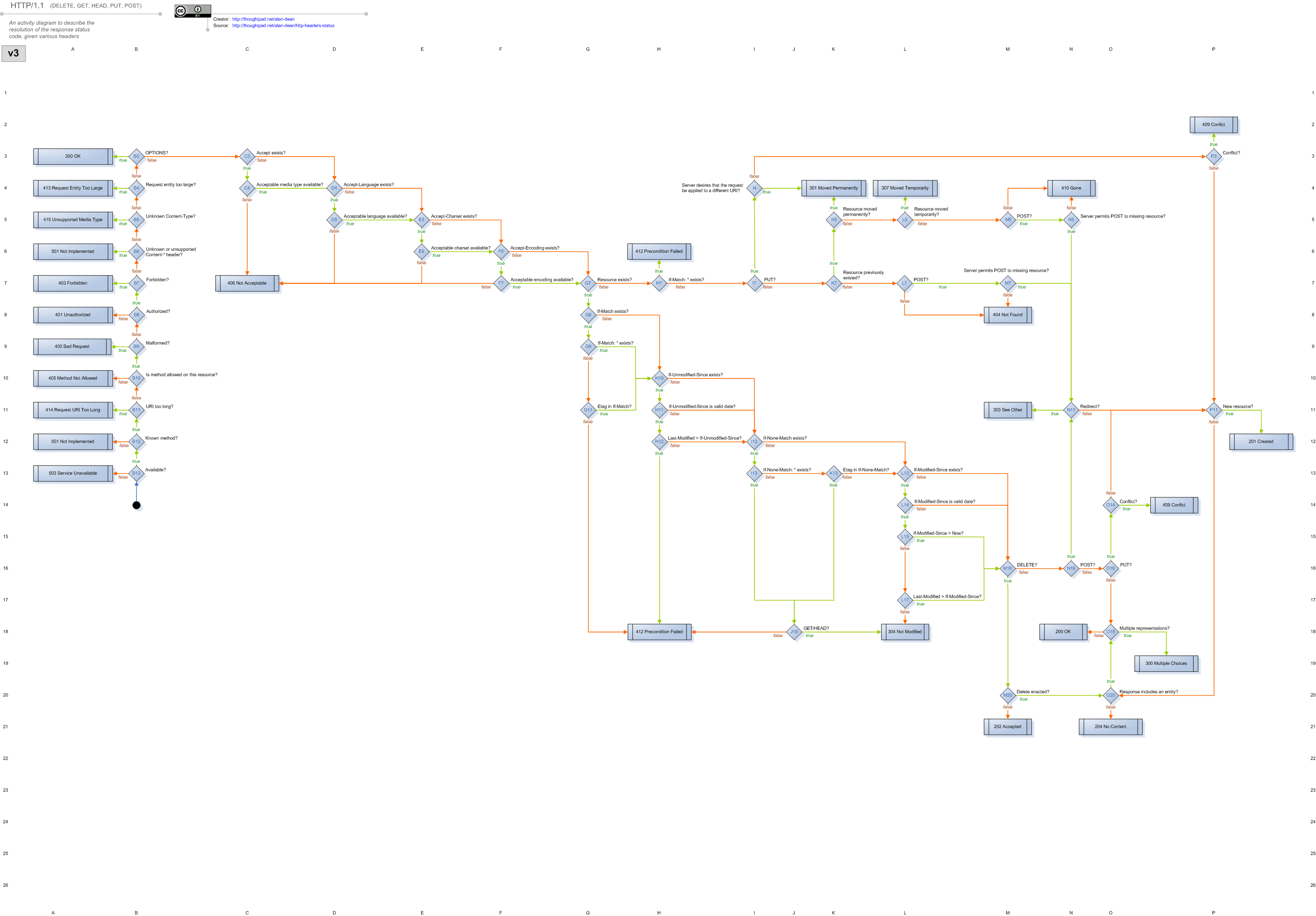
Webmachine-rust works with Hyper and sits between the Hyper Handler and your application code. It provides a resource struct with callbacks to handle the decisions required as the state machine is executed against the request with the following sequence.
REQUEST -> Hyper Handler -> WebmachineDispatcher -> WebmachineResource -> Your application code -> WebmachineResponse -> Hyper -> RESPONSE
- Handles the hard parts of content negotiation, conditional requests, and response codes for you.
- Provides a resource struct with points of extension to let you describe what is relevant about your particular resource.
Currently, the following features from webmachine-ruby have not been implemented:
- Visual debugger
- Streaming response bodies
This implementation has the following deficiencies:
- Automatically decoding request bodies and encoding response bodies.
- No easy mechanism to generate bodies with different content types (e.g. JSON vs. XML).
- No easy mechanism for handling sub-paths in a resource.
- Dynamically determining the methods allowed on the resource.
Follow the getting started documentation from the Hyper crate to setup a Hyper service for your server. You need to define a WebmachineDispatcher that maps resource paths to your webmachine resources (WebmachineResource). Each WebmachineResource defines all the callbacks (via Closures) and values required to implement a resource.
Note: This example uses the maplit crate to provide the btreemap macro and the log crate for the logging macros.
use std::convert::Infallible;
use std::future::ready;
use std::io::Read;
use std::net::SocketAddr;
use std::sync::Arc;

use bytes::Bytes;
use futures_util::FutureExt;
use hyper::{body, Request};
use hyper::server::conn::http1;
use hyper::service::service_fn;
use hyper_util::rt::TokioIo;
use maplit::btreemap;
use serde_json::{Value, json};
use tracing::error;
use tokio::net::TcpListener;
use webmachine_rust::*;
use webmachine_rust::context::*;
use webmachine_rust::headers::*;

async fn start_server() -> anyhow::Result<()> {
  // setup the dispatcher, which maps paths to resources. We wrap it in an Arc so we can
  // use it in the loop below.
  let dispatcher = Arc::new(WebmachineDispatcher {
    routes: btreemap!{
          "/myresource" => WebmachineDispatcher::box_resource(WebmachineResource {
            // Methods allowed on this resource
            allowed_methods: owned_vec(&["OPTIONS", "GET", "HEAD", "POST"]),

            // if the resource exists callback
            resource_exists: callback(|_, _| true),

            // callback to render the response for the resource, it has to be async
            render_response: async_callback(|_, _| {
                let json_response = json!({
                   "data": [1, 2, 3, 4]
                });
                ready(Ok(Some(Bytes::from(json_response.to_string())))).boxed()
            }),

            // callback to process the post for the resource
            process_post: async_callback(|_, _|  /* Handle the post here */ ready(Ok(true)).boxed() ),

            // default everything else
            .. WebmachineResource::default()
          })
      }
  });

  // Create a Hyper server that delegates to the dispatcher. See https://hyper.rs/guides/1/server/hello-world/
  let addr: SocketAddr = "0.0.0.0:8080".parse()?;
  let listener = TcpListener::bind(addr).await?;
  loop {
    let dispatcher = dispatcher.clone();
    let (stream, _) = listener.accept().await?;
    let io = TokioIo::new(stream);
    tokio::task::spawn(async move {
      if let Err(err) = http1::Builder::new()
        .serve_connection(io, service_fn(|req: Request<body::Incoming>| dispatcher.dispatch(req)))
        .await
      {
        error!("Error serving connection: {:?}", err);
      }
    });
  }
  Ok(())
}You can create your own struct that implements the Resource trait instead of using WebmachineResource. This avoids
needing to wrap the callbacks.
for instance, the example above can be changed to:
use std::sync::Arc;

use async_trait::async_trait;
use bytes::Bytes;
use maplit::btreemap;
use serde_json::json;
use webmachine_rust::*;
use webmachine_rust::context::WebmachineContext;

#[derive(Debug)]
struct MyResource;

#[async_trait]
impl Resource for MyResource {
    fn allowed_methods(&self) -> Vec<&str> {
        vec!["OPTIONS", "GET", "HEAD", "POST"]
    }

    async fn resource_exists(&self, _context: &mut WebmachineContext) -> bool {
        true
    }

    async fn render_response(&self, _context: &mut WebmachineContext) -> anyhow::Result<Option<Bytes>> {
        let json_response = json!({
           "data": [1, 2, 3, 4]
        });
        Ok(Some(Bytes::from(json_response.to_string())))
    }

    async fn process_post(&self, _context: &mut WebmachineContext) -> Result<bool, u16> {
        Ok(true)
    }
}

async fn start_server() -> anyhow::Result<()> {
    let dispatcher = Arc::new(WebmachineDispatcher {
        routes: btreemap! {
          "/myresource" => WebmachineDispatcher::box_resource(MyResource)
      }
    });

    // ....

    Ok(())
}For an example of a project using this crate, have a look at the Pact Mock Server from the Pact reference implementation.